
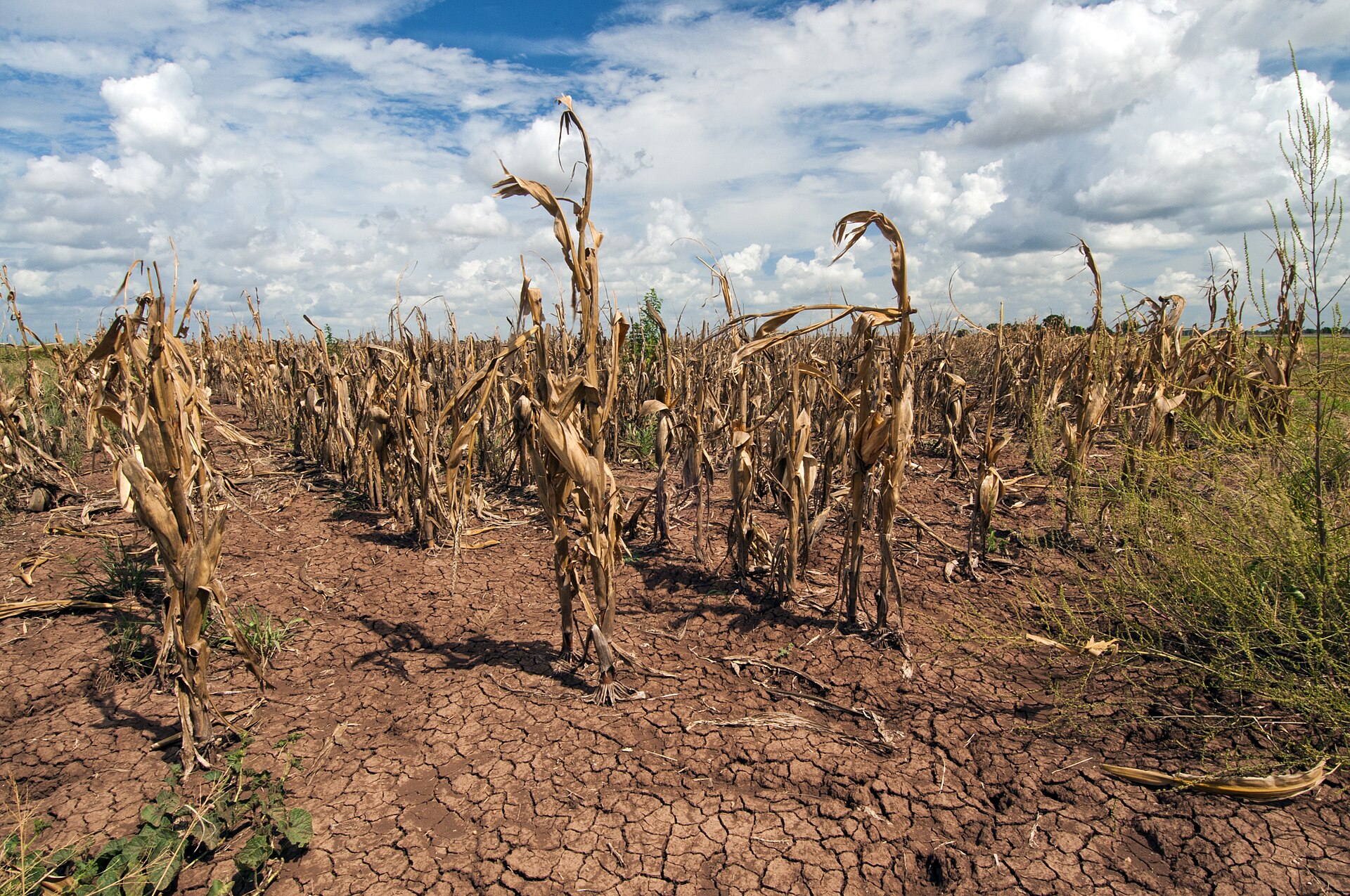
Not every lack of rain is an agricultural drought. Rainfall totals, temperature, stored water, soil moisture and vegetation each tell a different part of the story. FAO describes drought as a slow-onset hazard that can reduce yields, degrade soil and disrupt supply chains.
Mexico's National Meteorological Service updates its Drought Monitor every two weeks. It classifies conditions from D0, abnormally dry, to D4, exceptional drought. Check this reference before interpreting rumors or a single rainless week.
Compare regions without losing context
Do not rank places by the color of a map alone. Different monitors may use different indicators, periods and scales. For a useful comparison, record the source, date, category, share of the area affected, duration and crops present. Then check the local bulletin: two regions in the same category may have different water reserves, crop calendars and ability to respond.
Read an alert at three scales
Region: check the official monitor and seasonal outlook. Field: compare moisture at different depths, soil cover, infiltration and crop vigor. Plant: watch for wilting at dawn, persistent leaf rolling, flower loss or stalled growth. A plant that droops only at midday may be responding to heat; if it has not recovered by morning, the warning is stronger.
Set priorities before cutting back
Make a simple inventory: available water source, usable volume, system losses and approximate demand by field section. Give priority to perennial crops, newly established plants and critical stages such as flowering or fruit filling. If water is insufficient, spreading it evenly out of habit may harm the entire field; set technical priorities with local advice.
Check for leaks, pressure problems, blocked emitters and uneven application. Water during lower-evaporation hours when your system and local rules allow it. Do not increase frequency without checking moisture: repeated shallow watering may be lost before it reaches the root zone.
Make the soil a reserve
Keep suitable crop residue, mulch or cover crops on the soil. They reduce evaporation and buffer temperature changes. Avoid operations that break dry soil into fine particles and leave it exposed. Organic matter and stable structure improve infiltration, but they are not an instant fix: they are part of a strategy built over several seasons.
A 72-hour plan
- Check the official monitor and forecast; record the date and source.
- Measure or inspect moisture at representative points, not just beside an irrigation outlet.
- Calculate available water and identify priority sections.
- Fix leaks and protect bare soil.
- Record the crop's response and reassess; avoid changing several practices at once.
Important: water restrictions, permits and irrigation schedules are local. Always check with your water authority and local extension service.
Sources to follow
Sources checked September 7, 2026. Data changes; always use the latest monitor update.