
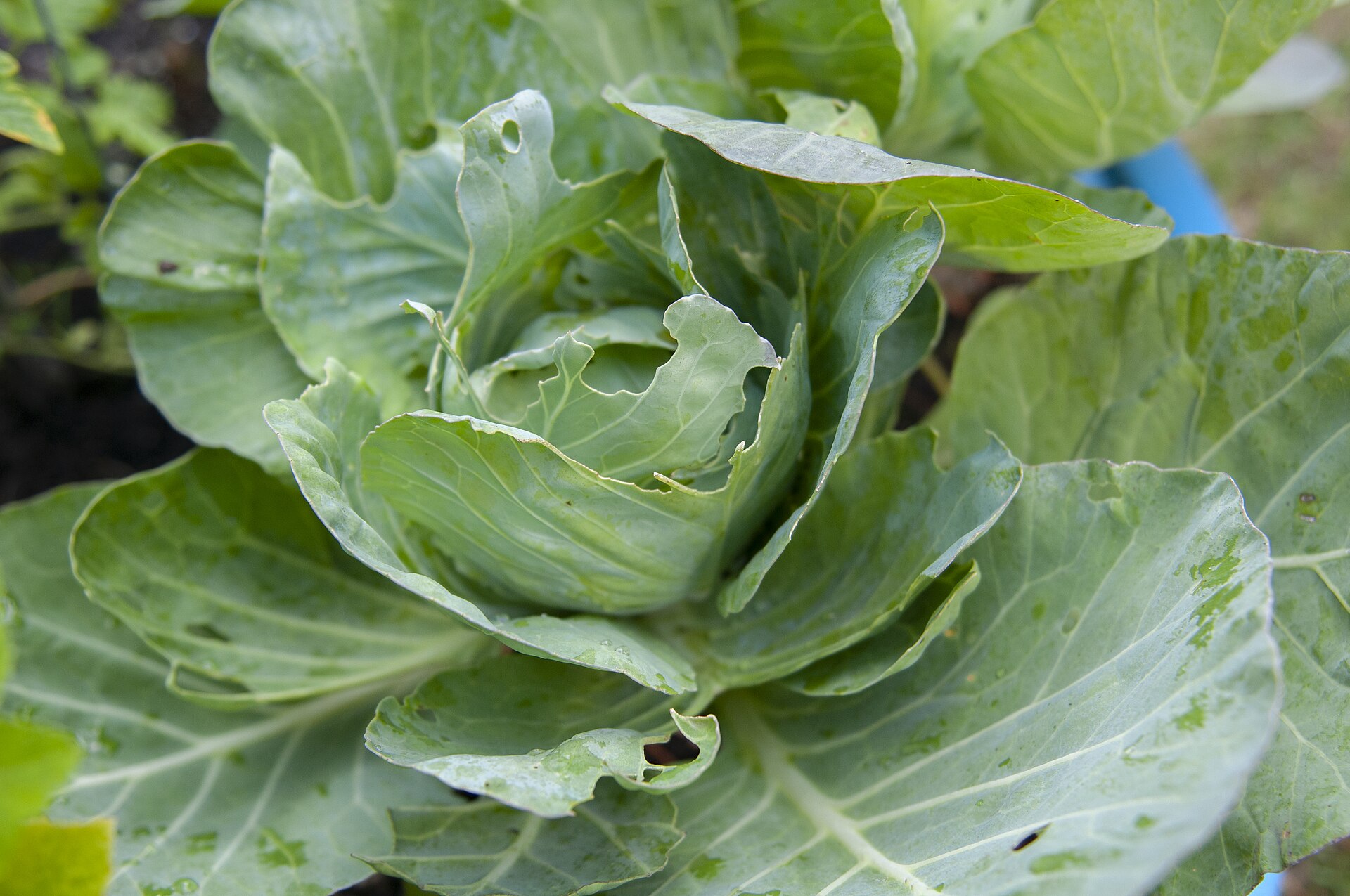
The size of your space does not determine whether a garden will succeed. Available light, access to water and the containers you choose matter much more. A small project that you observe carefully can provide regular harvests and teach you a great deal about growing food.
Map the light
On a clear day, record the hours of direct sun each spot receives. Tomatoes, peppers and many fruiting plants benefit from long periods of light. Lettuce, chard and several herbs tolerate fewer hours or gentle morning sun better.
Remember that the pattern changes with the seasons. A wall that receives sun in summer may be shaded in winter. Putting containers on movable stands makes it easier to rearrange them.
Choose practical containers
Every container needs drainage holes. Herbs with shallow roots can grow in compact pots, while tomatoes, eggplants and other large plants need more room. A larger pot holds moisture more steadily and gives roots space to develop.
Remember the final weight: wet growing mix, the plant and the container can be heavy. Check that balconies, shelves and supports are stable, and keep drainage water from bothering others.
Use a light growing mix
Soil taken straight from a garden often compacts in a pot. A container mix should hold moisture while leaving air spaces. You can enrich it with mature compost without making it dense.
Leave a few centimeters of space below the rim so water does not spill over. After planting, water thoroughly and watch how long excess water takes to drain from the bottom.
Pick rewarding crops
Basil, chives, parsley, cut-and-come-again lettuce and radishes are approachable first crops. In a very sunny spot, a compact tomato can take center stage. If plants share a container, combine species with similar light and water needs.
Harvest often, but do not remove more than the plant can replace. For leafy crops, take the outer leaves first; for herbs, cut shoots just above a node to encourage new branches.
Build a routine you can keep
Spend a few minutes checking the garden each day. Look for color changes, damaged leaves, new flowers and moisture in the growing mix. Brief observation helps you act early instead of relying on improvised fixes.
Write down what you planted, when you planted it and how it responded. Each season will show you which varieties suit your space and help you build your own growing calendar.